

Bedding In
EBC Redstuff Brake Pads Bedding
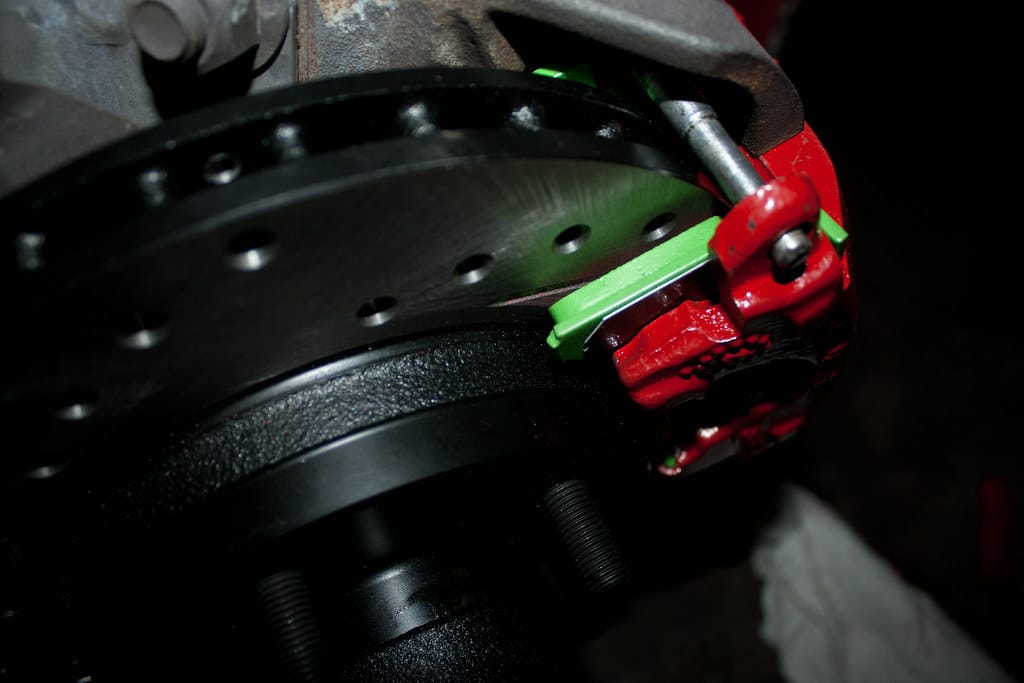
Jul
Upgrading your vehicle’s braking system is one of the most satisfying and safety-critical modifications you can make. Among automotive enthusiasts and daily drivers alike, EBC Redstuff ceramic brake pads are highly regarded for their low-dust properties, excellent cold bite, and impressive high-speed stopping power. However, simply installing these premium pads onto your calipers is only half the battle. To unlock their full performance potential and prevent premature wear, you must perform a proper bedding-in process.
Understanding EBC Redstuff and the Bed-In Coating
Before hitting the road, it is important to understand what makes EBC Redstuff pads unique. These pads are made from a high-performance aramid fibre ceramic compound, designed for heavier, faster passenger cars. Because ceramic compounds are inherently harder than traditional organic or semi-metallic pads, they require a more deliberate bedding-in process to mate perfectly with the brake rotors.
To assist with this, EBC applies a unique, red-coloured abrasive polymer coating to the surface of the pads, known as the “Brake-In” coating. This temporary layer is designed to gently scrub the surface of your rotors, removing minor imperfections, old pad deposits, and glaze. It accelerates the initial mating process, but it is not a substitute for the thermal bedding cycle that must follow once this coating has worn away.
Phase 1: The Street Mating Period (First 100 to 150 Miles)
The bedding-in process for EBC Redstuff is divided into two distinct phases. The first phase is all about patience and gentle friction. During the first 100 to 150 miles of driving after installation, your goal is to let the Brake-In coating do its job without overheating the braking system.
During this initial phase, drive your vehicle normally but conservatively. Avoid hard braking, panic stops, and prolonged heavy braking from high speeds. Instead, use light to moderate pedal pressure to bring the vehicle to a halt. This gentle friction allows the abrasive coating to clean the rotors and establish a flat, uniform contact patch across the entire surface of the brake pad. You may notice a slight squeal or a unique grinding noise during this phase; this is completely normal as the abrasive coating wears off.
Phase 2: The Thermal Bedding Cycle
Once you have completed the initial mating period and the red abrasive coating has completely worn away, the pads and rotors are physically matched. Now, you must chemically and thermally bond them. This is achieved through a series of controlled, high-energy stops that transfer a thin, microscopic layer of ceramic pad material onto the rotor face—a process known as establishing a transfer layer.
Preparing for the Cycle
Find a safe, straight, and quiet stretch of road with no tailgating traffic. A deserted country road or an empty industrial park at night is ideal. Safety is paramount during this phase, as you will be performing aggressive deceleration maneuvers.
Executing the Bed-In Steps
Follow these steps precisely to thermally bed your EBC Redstuff pads:
1. Accelerate your vehicle to approximately 60 mph. Using moderate pedal pressure (about 50% to 60% of maximum braking force), smoothly decelerate the vehicle down to 10 mph. Immediately accelerate back up to speed; do not linger at low speeds.
2. Repeat this process 5 times in rapid succession. You want to build up heat in the braking system, but you do not want to trigger the ABS or lock up the tires.
3. Next, perform 3 to 4 much harder stops. Accelerate to 60 mph and brake aggressively (about 80% effort) down to 10 mph. Again, do not come to a complete stop. You may begin to smell the brake pads “cooking” or curing, which is a normal sign that the resins are bonding.
The Vital Importance of the Cool-Down Period
Perhaps the most critical step of the entire bedding-in process occurs immediately after your last hard stop. You must allow the brakes to cool down gradually. If you stop the vehicle completely while the brakes are at peak operating temperature, the hot pads will rest against one spot on the hot rotor, transferring an uneven clump of pad material. This creates a high spot on the rotor, leading to a condition known as brake judder, often mistaken for warped rotors.
To prevent this, drive the vehicle for 10 to 15 minutes at highway speeds, using the brakes as little as possible. The airflow through the wheels will cool the rotors and pads evenly. Only park the vehicle and engage the parking brake once the system has returned to ambient temperatures.
Common Mistakes to Avoid
When bedding in your new pads, avoid installing them on heavily grooved or severely worn rotors without having the rotors resurfaced or replaced. A uneven rotor surface will prevent the pads from making full contact, ruining the bed-in process. Additionally, never use track-day bedding techniques on street pads; EBC Redstuff pads do not require the extreme, abusive heat cycles that race pads do, and overheating them prematurely can glaze the friction material, permanently reducing their stopping power.
Investing the effort to bed in your EBC Redstuff brake pads correctly is the defining factor between a noisy, mediocre braking experience and a whisper-quiet, high-performance setup that inspires confidence. By patiently guiding your new pads through their initial thermal cycles, you establish a perfect chemical and physical bond between the ceramic compound and the iron rotor. This disciplined approach not only protects your investment but ensures that when you need maximum stopping power, your vehicle responds instantly and flawlessly.
